Giornale di guerra e di prigionia
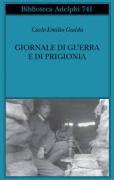
For Second Lieutenant Gadda, who had hoped for it as "necessary and holy," the Great War proved to be a bitter struggle. Even more so than against the enemy, it was against what unleashed in him such violent indignation that it bordered on "murderous intent": the pettiness of the "swampy life" in the barracks, which extinguished any aspiration to fight; the incompetence of the great generals; the "idiotic egotism of the Italian" who made everything a personal issue; the moral unworthiness of the cowards, shirkers, and profiteers who forced the Alpine troops to march in broken shoes: "If I had faced a shoemaker yesterday, I would have provoked him into a fight and finished him off with a knife," he confessed. The defeat at Caporetto and his imprisonment in Germany weighed heavily on Gadda's participation in the war, but time would show that the workshop of the Giornale – the first painful act of understanding the world and his own psychic reality – marked the birth of the greatest Italian prose writer of the twentieth century.